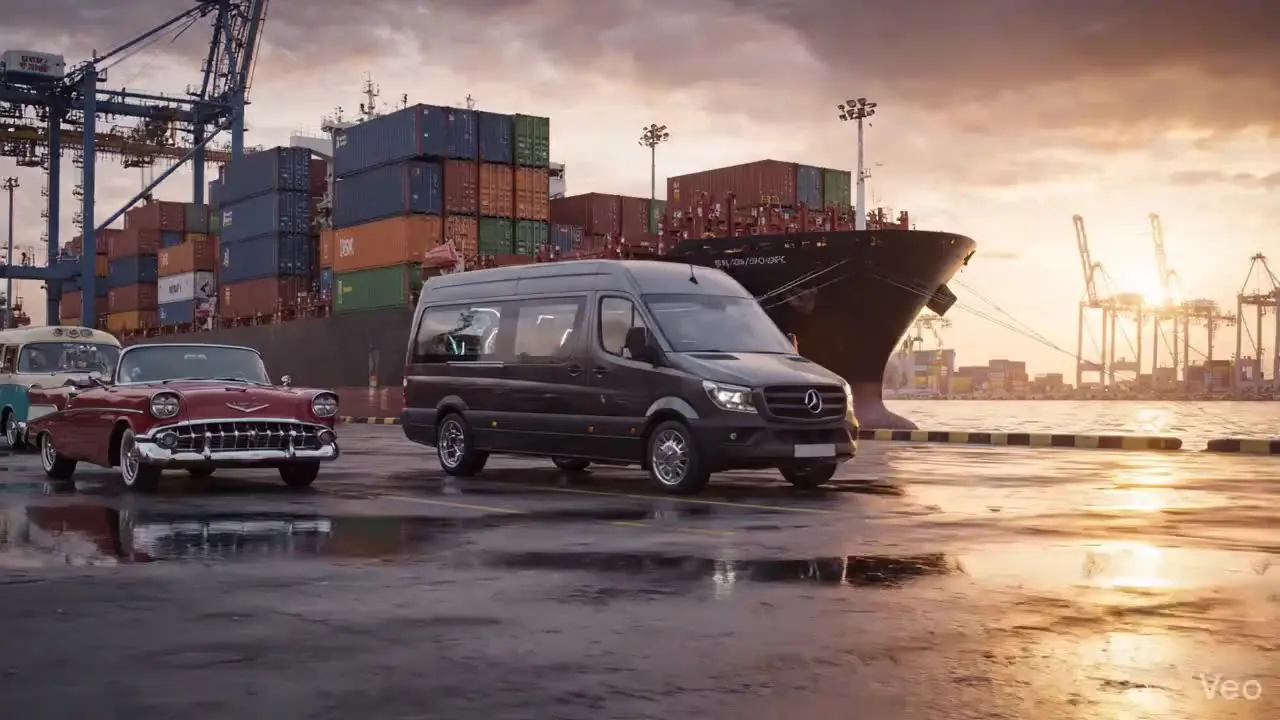
Introduction: When Classic Meets Modern
The global classic car market has surpassed $3 billion, yet the supply of genuine original classics is limited and prices are eye-watering. A 1960s Ford Mustang in good condition can easily fetch over $100,000. What most buyers actually want is the combination of classic styling with modern performance.
Chinese manufacturers have identified this gap with precision. Through reverse engineering and modernisation, Chinese factories can produce vehicles that faithfully replicate the appearance of classic models while being equipped with modern powertrains and safety systems — at a price that is merely one-fifth to one-tenth of the original.
1. Why Source Replica Cars from China?
1.1 Price Advantage
Original classic cars routinely cost tens or even hundreds of thousands of pounds, whereas FOB prices for Chinese replicas typically range from $8,000 to $35,000.
1.2 Mature Manufacturing Techniques
Chinese factories are highly proficient in panel beating, welding, paintwork and interior trim, enabling them to reproduce the exterior details of classic models with remarkable fidelity.
1.3 Modern Equipment
Replica vehicles can be fitted with modern engines, ABS, airbags, air conditioning, electric windows and more — marrying classic aesthetics with contemporary practicality.
2. Principal Replica Models
2.1 Classic Off-Road Vehicles
- Tribute models: Early Toyota Land Cruiser, Land Rover Defender, Jeep Willys
- Characteristics: Boxy, rugged styling; modern off-road capability
- Powertrain: 2.0T/2.4T turbocharged, part-time/permanent four-wheel drive
- FOB price: $12,000 – $25,000
2.2 Classic Sports Cars
- Tribute models: Porsche 356, Ford GT40, AC Cobra
- Characteristics: Streamlined bodywork, sport-tuned suspension
- Powertrain: 2.0T–3.0T engine
- FOB price: $15,000 – $35,000
2.3 Classic Pick-Up Trucks
- Tribute models: Ford F-100, Chevrolet C/K series
- Characteristics: Retro styling, practical load bed
- Powertrain: 2.0T/2.4T petrol or diesel
- FOB price: $10,000 – $20,000
2.4 Classic Saloons
- Tribute models: Mercedes-Benz 300SL, Rolls-Royce Silver Cloud, Volkswagen Beetle
- Characteristics: Elegant retro design, suitable for weddings, film work and collections
- FOB price: $8,000 – $30,000
3. Manufacturing Process
| Stage | Description |
|---|---|
| Bodywork | Press-formed or hand-beaten panels — faithful reproduction of original lines |
| Welding | CO₂ shielded welding and spot welding for structural integrity |
| Paintwork | Primer → surfacer → topcoat → clearcoat; metallic and pearlescent finishes available |
| Interior trim | Leather or fabric seats, genuine wood dashboard fascia, retro-style instruments |
| Powertrain | Modern turbocharged engine mated to manual or automatic gearbox |
| Chassis | Modern independent suspension, disc brakes, electric power steering |
| Electrical | LED headlamps, modern wiring loom, in-car entertainment system |
4. Target Markets
4.1 Middle East
- Demand: Collecting, exhibitions, desert off-roading
- Preference: Classic off-road vehicles, luxury saloons
- Certification: SASO
4.2 South-East Asia
- Demand: Tourism, weddings, collecting
- Preference: Classic saloons, sports cars
- Certification: Varies by country
4.3 Africa
- Demand: Practical off-road use, tourism
- Preference: Classic off-road vehicles, pick-ups
- Certification: Varies by country
4.4 Europe and North America
- Demand: Private collections, film and television props, motoring events
- Preference: All types of classic models
- Certification: CE, e-Mark (Europe), FMVSS (United States)
4.5 Latin America
- Demand: Collecting, tourism
- Preference: Classic saloons, sports cars
- Certification: Varies by country
5. Procurement Process
- Select the model: Determine the tribute vehicle and required specification
- Assess the manufacturer: Review previous replica projects; visit the factory in person or via video call
- Confirm the design: 3D renders → photographs of the physical build → sign-off
- Monitor production: Photographic confirmation at key milestones (bodywork, paint, interior, final assembly)
- Factory acceptance: Visual inspection, functional testing, road test
- Shipping: Containerised transport; ensure adequate scratch protection
- Destination clearance: Pay close attention to customs classification and certification requirements for replicas
6. Important Considerations
6.1 Intellectual Property
The design rights of certain classic models may still be in force. Research the intellectual property laws of the destination country before exporting.
6.2 Customs Classification
Replica vehicles may be classified differently across jurisdictions, and duty rates can vary considerably.
6.3 Registration
Some countries have special registration provisions for replica vehicles (for example, the United States’ Special Construction category).
7. Frequently Asked Questions
Q: What is the difference between a replica and an original classic car? A: The appearance is reproduced as faithfully as possible, but modern powertrains and safety systems are used. A replica must not be sold as an original classic.
Q: Can a 100% faithful reproduction be achieved? A: The exterior can be reproduced to 90% or greater, but the running gear and chassis are contemporary.
Q: Does the replica carry the original vehicle’s VIN? A: No. Replicas are assigned a new chassis number and must not be misrepresented as originals.
Q: Can replicas be exported to the United States? A: Yes, but they must comply with FMVSS standards and be registered under the Special Construction or Kit Car category.
Conclusion
The classic car replica sector is a niche that combines genuine passion with sound commercial sense. Chinese manufacturing has democratised access to automotive icons, enabling more people than ever to own the car of their dreams.
Get in touch to receive a bespoke replica quotation and specification.